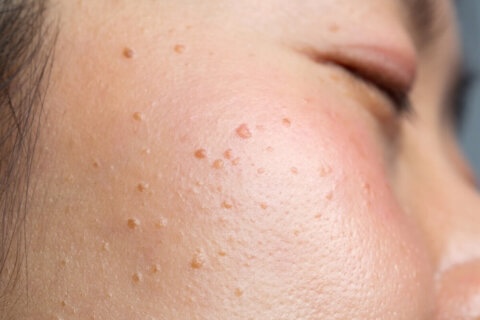
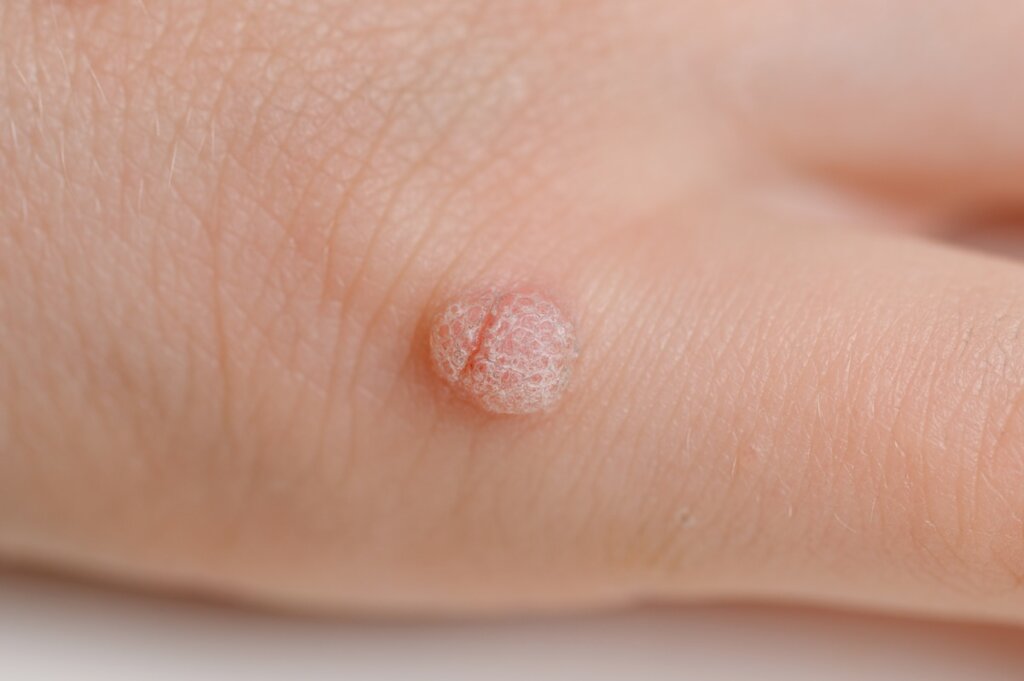
Warts, those pesky and unsightly growths that seem to appear out of nowhere, can be a real nuisance. They not only cause discomfort but can also become a source of embarrassment for many individuals. Fortunately, advances in medical technology have introduced various methods for wart removal. Among these, laser wart removal has emerged as a popular choice due to its remarkable efficiency and precision.
However, as with any medical intervention, it’s essential to consider the potential side effects of laser wart removal. While highly effective, laser wart removal is not exempt from possible adverse reactions. Understanding these side effects is crucial for individuals considering this treatment and seeking a comprehensive perspective.
Understanding Laser Wart Removal
Laser wart removal is a medical procedure used to eliminate warts through the targeted application of laser energy. The procedure involves directing a high-intensity laser beam at the wart, which heats and destroys the abnormal tissue.
The laser energy is absorbed by the pigment in the wart absorbs the laser energy, causing it to vaporize or break down. The procedure is a trained medical professional and can be done in an outpatient setting.
Effectiveness of Laser Treatment for Wart Removal
Laser treatment for wart removal has been shown to be highly effective. The precision of laser energy allows for targeted destruction of the wart tissue while minimizing damage to the surrounding healthy skin.
This makes it particularly useful for treating warts in delicate areas such as the face, hands, and feet. Moreover, lasers can effectively penetrate deeper layers of the skin, removing stubborn or recurring warts that may be resistant to other treatment methods.
Advantages of Laser Therapy Over Other Treatment Options
Laser therapy offers several advantages over other treatment options for wart removal. First, it is a relatively quick procedure, often requiring only a single session, depending on the size and type of wart. Laser treatment offers a time-saving advantage compared to topical treatments or cryotherapy, which may require multiple applications or freezing sessions.
Laser wart removal is also known for its precision, targeting only the wart tissue without causing unnecessary damage to the surrounding healthy skin. This results in minimal scarring and faster healing than surgical excision or other invasive methods.
Moreover, laser therapy is versatile and can be adjusted to treat warts of varying sizes and types. It can effectively eliminate common warts, plantar, flat, and even genital warts, making it a versatile treatment option for patients with different types of warts.
When To Seek Medical Attention for
Side Effects of Laser Wart Removal
While most side effects of laser wart removal are temporary and resolve on their own, there are certain circumstances where it is advisable to seek medical attention.
If you experience any of the following, it is recommended to consult with a healthcare professional:
Excessive bleeding:
Seek medical attention if you notice persistent or significant bleeding from the treated area that does not subside with gentle pressure or persists beyond the expected timeframe Excessive bleeding may indicate a complication and requires professional evaluation and intervention Severe pain or discomfort: While mild discomfort is common after laser wart removal, a healthcare professional should address severe or worsening pain not alleviated by over-the-counter pain relievers. The pain could be a sign of an underlying issue that needs attention.
Signs of infection: If you observe signs of infection such as increased redness, warmth, swelling, pus, or a foul odor from the treated area, it is essential to seek immediate medical attention. Infections can occur despite proper post-treatment care, and prompt treatment is necessary to prevent furthercomplications.
Allergic reactions: If you experience severe allergicreactions, such as difficulty breathing, chest tightness, swelling of the face or throat, or a widespread rash, it is crucial to seek emergency medical assistance.
Persistent or worsening side effects: If any side
effects persist or worsen beyond the expected
healing period, it is advisable to consult with a
healthcare professional. This includes ongoing
numbness or tingling, persistent skin discoloration,or any other concerning symptoms that do not improve over time.